
English| EUR
Suggested for you
More currencies
Choose a language
One day, one border, and roughly 90 kilometres of coastline between Dubrovnik's Pile Gate and the head of the Bay of Kotor. This dubrovnik to montenegro day trip itinerary guide sets out which stops fit comfortably into daylight hours, which order keeps the driving efficient, and where the day usually goes wrong. Kotor, Perast and Budva are the three names that matter — the rest is sequencing.
Quick answer
A realistic day covers three stops: Kotor, Perast and Budva. Aim to reach Kotor Old Town inside the 07:00–09:00 arrival window, which sidesteps cruise-ship crowds and midday summer heat. The walls open 07:00–20:00 daily, with a conservation fee of 8 EUR per person and 1350 steps to the fortress. In July and August, an early departure from Dubrovnik is what makes the rest possible.
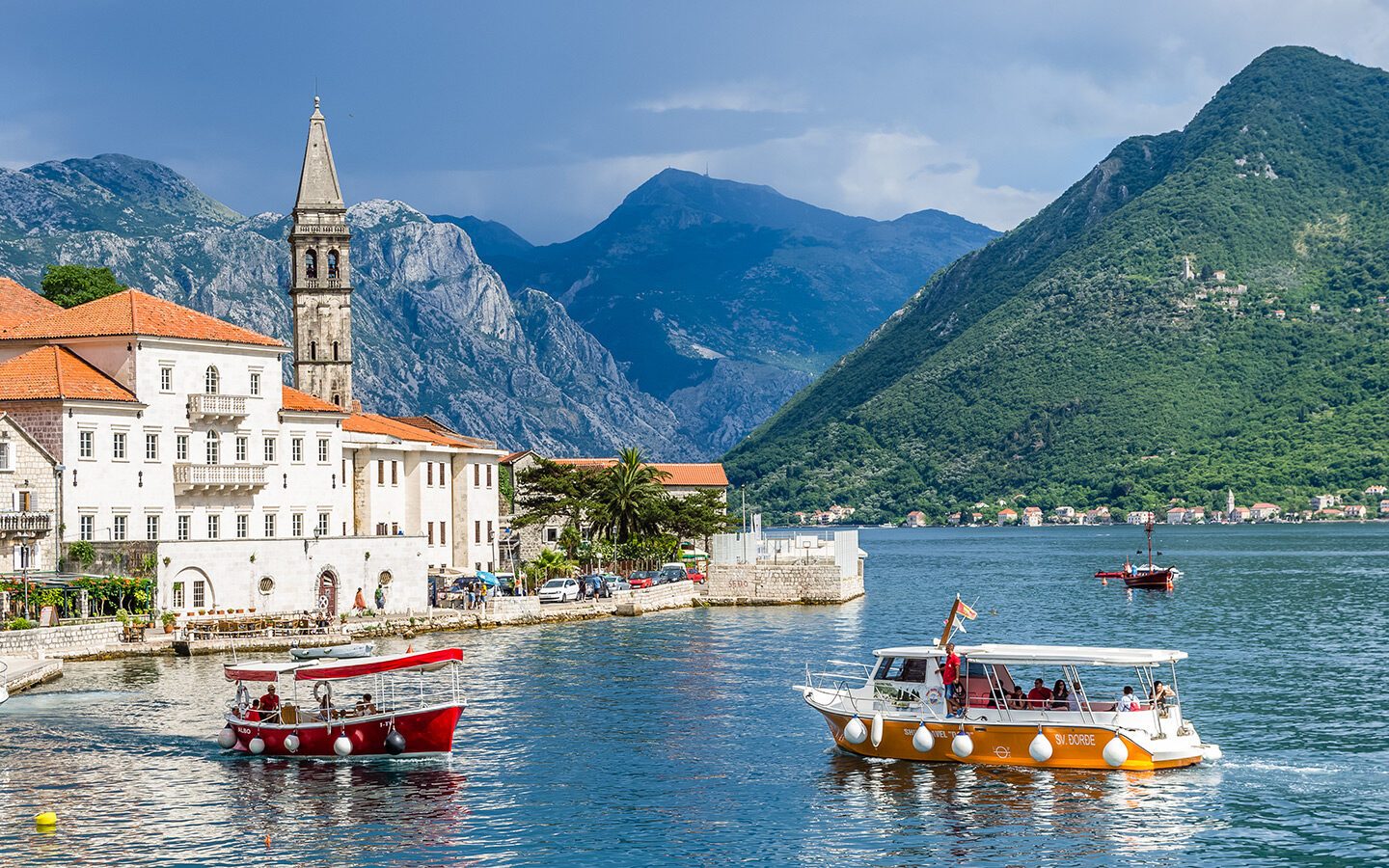
The Bay of Kotor is not a fjord, though almost every brochure calls it one. It is a submerged river canyon — a ria — and that geology explains the shape of a Montenegro day trip more than any map does. The water reaches inland for roughly 28 kilometres, and the road has no choice but to trace every indentation of it. A dubrovnik to montenegro day trip itinerary is therefore governed by coastline, not by distance: the drive looks short on paper and behaves long in practice, particularly on the stretch between Herceg Novi and Risan where the carriageway narrows to a single lane in each direction. That one constraint sets everything else. Most visitors leaving Dubrovnik have between nine and eleven usable hours, and the three anchor stops each ask for something different. Kotor's Stari Grad is a walled medieval town of squares and stone alleys, with the fortress of San Giovanni rising behind it on the slope of Mount Lovćen — the climb is the single biggest time commitment of the day, and worth budgeting for honestly. Perast, twelve kilometres up the bay, is a baroque village of seventeen captains' palaces and no traffic to speak of; boats leave its quay for Our Lady of the Rocks, the artificial islet built from centuries of stones dropped by returning sailors. Budva, south past the Vrmac tunnel, offers a compact citadel, a beach, and a sightline to the island of Sveti Stefan. The practical conclusion is that three stops is the ceiling, not the target. Groups attempting Kotor, Perast, Budva and Sveti Stefan in a single Montenegro coastal tour typically spend more of the day in the car than out of it. A workable Bay of Kotor route treats Kotor as the anchor and the other two as satellites: arrive early while the Old Town is quiet, then let the afternoon flex. Perast rewards forty-five unhurried minutes; Budva rewards ninety or none at all. Carry a passport, not an identity card, and expect the return leg to be the slower one. Anyone building a dubrovnik to montenegro day trip itinerary around a fixed dinner reservation in Croatia should add a buffer of at least an hour. The dedicated sections below break down the sequencing, the crossing itself, seasonal timing, fees, hours and what to pack — this page frames the day; those pages fill it in.
“Three stops is the ceiling, not the target — the bay is measured in bends, not kilometres.”
This plan suits first-time visitors travelling from Dubrovnik with a full day to spend in the Bay of Kotor, covering Perast, Kotor and optionally Budva. Allow roughly 12 hours door to door, with about five hours on foot at the stops themselves.
Leave the old town area early so you reach the bay before tour coaches fill the waterfront. Expect the drive south along the Adriatic coast to take up most of the morning's first stretch.
Follow the single stone promenade past the Church of St Nicholas and the baroque palaces, allowing about 45 minutes. Boats to Our Lady of the Rocks leave from the small jetty and add roughly 30 minutes return.
Enter through the Sea Gate at Stari grad, Kotor, Montenegro and orient yourself on the Square of Arms by the clock tower. The lanes are compact, so 30 minutes is enough to reach St Tryphon's Cathedral and the Maritime Museum.
The route to the fortress above the town involves 1350 steps, with the Church of Our Lady of Remedy roughly halfway as a natural turning point. Budget two hours up and down, and carry water since there is no shade on the upper switchbacks.
Return to the old town for a slow lunch in one of the small squares. Give yourself an hour before moving on, and rest before any further driving.
If you would rather see a second town than linger in Kotor, continue south to Budva's walled Stari Grad and its citadel, allowing 90 minutes. Skip this if you climbed the full fortress route in summer heat.
Head back north around the bay towards Dubrovnik, factoring in the ferry queue at Kamenari or the longer road around Risan. Aim to be moving before evening traffic builds on the coastal road.
The journey from Dubrovnik to Montenegro typically follows the Adriatic coastal highway, crossing the border at Karasovići-Debeli Brijeg. Travelers can opt for guided transfers, public bus services, or rental cars to reach destinations such as Kotor.
Libertas Dubrovnik or regional coach from Dubrovnik Main Bus Station to Kotor
D8 highway south to border, then E80 in Montenegro
Door-to-door transit via D8 highway
Cross the border as early as possible to avoid significant vehicle queues, especially during the summer months. For the best arrival window, aim to reach your first destination between 07:00–09:00 to bypass cruise ship crowds.
The best arrival window for visiting Kotor is 07:00–09:00 to avoid cruise ship crowds and midday summer heat. Arriving early provides cooler temperatures for the 1350 steps to the fortress.
Mild, 15°C to 22°C. Pleasant for exploring the old town and walking paths.
Hot, 25°C to 32°C. High temperatures require early starts to manage heat.
Warm, 18°C to 26°C. Fewer cruise ships and comfortable conditions for sightseeing.
—
Mid-week travel significantly reduces congestion at the border and within the city walls.
Verdict: Plan your trip for a weekday in April, May, or October and aim for the 07:00–09:00 arrival window to ensure optimal conditions.
Planning a day trip from Dubrovnik to Montenegro requires budgeting for specific local access fees at historical sites. These costs are standard official charges for entry to city fortifications and cultural zones.
Verdict: A typical adult pays 8 EUR for the primary Kotor conservation fee, with total costs depending on the number of museums selected.
The main site in Kotor maintains consistent operating hours throughout the week to accommodate visitors traveling from Dubrovnik.
Work through these preparations in order, starting a few weeks out and finishing the morning you leave Dubrovnik.
Everything you need to know about dubrovnik to montenegro day trip itinerary
Travel time varies based on border traffic, but you should budget for significant transit time on your dubrovnik to montenegro day trip itinerary. Factor in potential delays at the international crossing to ensure you remain on schedule.
Visitors are advised to plan for an arrival between 07:00–09:00 to avoid cruise ship crowds and the intense midday summer heat. This early start maximizes your time exploring the UNESCO heritage site.
Yes, there is a conservation fee of 8 EUR per person to access the city walls and fortress. This fee supports the maintenance of these historic fortifications.
The climb to the top involves 1350 steps. Please ensure you are prepared for this physical activity during your Kotor landmark tour.
Yes, many visitors choose to combine these locations into a single Montenegro coastal excursion. Including stops in Perast and Budva adds variety to your day trip itinerary.
Travelers must carry a valid passport and, depending on nationality, may require a visa for entry. Ensure your travel documents are ready at the border crossing to avoid unnecessary delays.
A well-planned dubrovnik to montenegro day trip itinerary typically allows for essential exploration of the main coastal towns. While fast-paced, it provides a sufficient overview for those with limited time.